01
Sickness & Diarrhoea
Stay away until 48 hours after diarrhoea and vomiting have stopped.
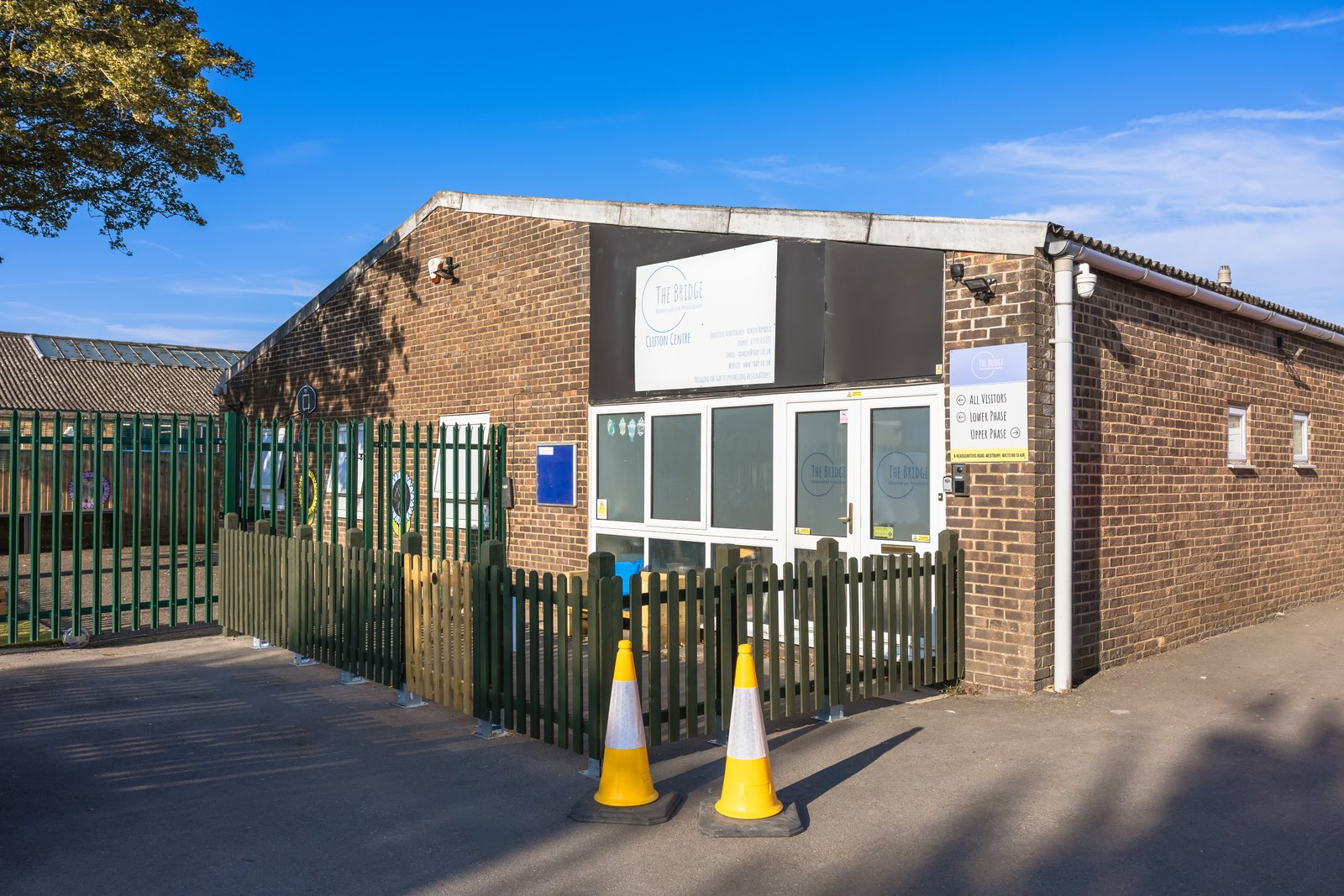
We want every learner to feel safe, well and ready to learn. Sometimes that means staying at home while recovering from an infection.
A straightforward guide to when learners should stay at home while recovering from an infection.
This guide helps parents and carers understand public health exclusion periods: how long someone with an infection should stay away from The Bridge. It follows the UK Health Security Agency guidance published on GOV.UK, updated 7 September 2026.
Not every infection requires time away. Even where no formal exclusion applies, please tell us if your child is unwell so we can consider their individual needs and any appropriate support.
These are common situations families ask us about.
Stay away until 48 hours after diarrhoea and vomiting have stopped.
For flu, stay away until feeling better and no longer having a temperature. For respiratory infections, stay away when symptoms are more than mild.
Head lice, conjunctivitis and hand, foot and mouth disease do not require a public health exclusion period.
Some infections require healthcare professional clearance or specialist public health advice before returning.
Find your child’s infection below to see when they can return to The Bridge.
These are summaries of the official UK Health Security Agency guidance. If you are unsure about your child’s symptoms or when they can return, please contact us for advice.
| Infection | When to return |
|---|---|
| Athlete’s foot | No exclusion required |
| Chickenpox | Until 5 days after the rash first appears |
| Chlamydia | No exclusion required |
| Cold sores | No exclusion required |
| Conjunctivitis (pink eye) | No exclusion required |
| COVID-19 | Stay away if symptoms are more than mild, such as a high temperature |
| Cryptosporidiosis | Until 2 days after diarrhoea and vomiting stop |
| Diarrhoea and vomiting | Until 2 days after diarrhoea and vomiting stop |
| Diphtheria | Until a healthcare professional confirms return is safe |
| E. coli (STEC) | 2 days; children under 6 need healthcare professional clearance |
| Flu (influenza) | Until better and no longer have a temperature |
| Food poisoning | Until 2 days after diarrhoea and vomiting stop |
| Genital herpes | No exclusion required |
| Genital warts / HPV | No exclusion required |
| Giardiasis | Until 2 days after diarrhoea stops |
| Glandular fever | No exclusion required |
| Gonorrhoea | No exclusion required |
| Group A strep / invasive Group A strep | Until 24 hours after starting antibiotics |
| Hand, foot and mouth disease | No exclusion required |
| Head lice | No exclusion required |
| Hepatitis A | Until 7 days after symptoms start |
| Hepatitis B | No exclusion required |
| Hepatitis C | No exclusion required |
| HIV | No exclusion required |
| Impetigo | Until all blisters scab over or 2 days after starting antibiotics |
| Measles | Until 4 days after rash starts |
| Meningitis / meningococcal meningitis | Until symptoms have resolved |
| MRSA | No exclusion required |
| Mpox | Until a healthcare professional confirms return is safe |
| Mumps | Until 5 days after swelling begins |
| Norovirus | Until 2 days after diarrhoea and vomiting stop |
| PVL-SA | Stay away if wounds cannot be covered with a plaster or bandage |
| Respiratory infections | Stay away if symptoms are more than mild, such as a high temperature |
| Respiratory syncytial virus (RSV) | Stay away if symptoms are more than mild, such as a high temperature |
| Ringworm | Until treatment has started |
| Rotavirus | Until 2 days after diarrhoea and vomiting stop |
| Rubella | Until 5 days after rash starts |
| Scabies | Age 5 and under, or unable to follow guidance: until 24 hours after first treatment |
| Scarlet fever | Until 24 hours after starting antibiotics |
| Shingles | Stay away if spots cannot be covered or have not scabbed over |
| Slapped cheek | No exclusion required |
| Threadworms | No exclusion required |
| Tuberculosis (active TB) | Until 2 weeks after starting antibiotics |
| Typhoid / paratyphoid fever | Until 2 days after diarrhoea and vomiting stop |
| Whooping cough (pertussis) | Until 2 days of antibiotics, or 21 days after symptoms start without antibiotics |
Important: “No exclusion required” means no public health exclusion period is specified for that infection. It does not mean a learner who feels unwell must attend.
If your child is too ill to attend a planned session, please let us know as soon as possible.
Helpful answers for parents and carers.
Please notify The Bridge through your usual attendance contact route, explain the symptoms and tell us if a healthcare professional has given specific advice about returning.
There is no public health requirement to stay away solely because of that infection. Please still consider whether your child feels well enough to participate and contact us if support or adjustments may be needed.
For some infections, a healthcare professional will need to confirm when it is safe for your child to return. Please follow any advice you have been given and contact The Bridge if you are unsure about the next steps.
Please contact our team before your child’s session. We can discuss the situation with you and help you understand the relevant guidance. If your child is seriously unwell, seek medical advice promptly.
Public health guidance can change.
This page summarises the GOV.UK guidance updated on 7 September 2026. For the latest exclusion periods and health advice, please consult the original publication.
If you're unsure whether your child should attend, contact our team before their session.